
- brownschicken
- August 10, 2026
- No Comments
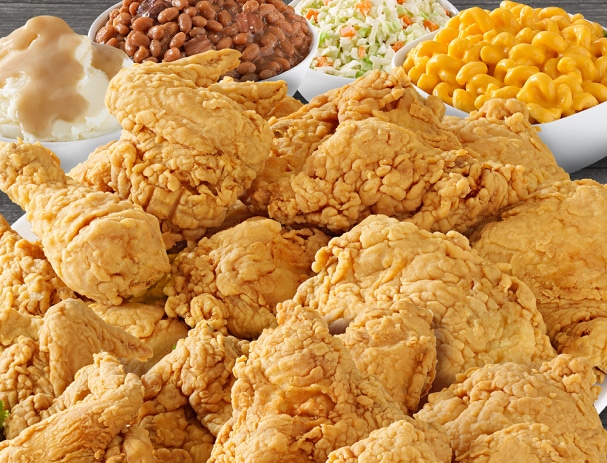
A great piece of fried chicken brings together several qualities: a golden exterior, a satisfying crunch, and tender, flavorful meat inside. Achieving that combination depends on more than seasoning or batter alone. The frying oil, cooking temperature, coating, and preparation method all influence the final texture.
At Brown’s Chicken, the story behind that familiar crunch goes back to 1949. Founded by John and Belva Brown in Bridgeview, Illinois, the brand developed its signature approach using buttermilk batter and cottonseed oil. These elements remain central to its identity and help explain why its traditional fried chicken recipe is such an important part of the company’s history.
Understanding cottonseed oil fried chicken means looking at how oil behaves during frying and how it works alongside a well-prepared coating. Cottonseed oil is known for its relatively high smoke point, making it suitable for high-temperature cooking when handled properly. However, the oil alone does not guarantee a crispy result. Temperature control, moisture management, and cooking technique also matter.
Let’s explore the role cottonseed oil plays in the frying process and why Brown’s Chicken’s traditional preparation continues to be part of its appeal.
What Is Cottonseed Oil?
Cottonseed oil is a vegetable oil extracted from the seeds of cotton plants. After processing and refining, it can be used for cooking, food manufacturing, and commercial frying.
Its properties make it useful in food preparation. Refined cottonseed oil has a relatively high smoke point, although the exact temperature depends on the oil’s refinement and condition. A suitable smoke point helps an oil tolerate the high temperatures commonly used for frying without immediately producing visible smoke.
Cottonseed oil also has a relatively neutral flavor when refined. This allows the seasoning and natural flavor of the food to remain prominent rather than being dominated by the oil itself.
For fried chicken, these characteristics can make cottonseed oil a practical choice. The oil transfers heat to the coating and chicken while allowing the batter to develop a golden exterior under appropriate frying conditions.
At Brown’s Chicken, cottonseed oil is part of a preparation tradition that dates back to the brand’s beginnings. You can learn more about that heritage on the official Brown’s Chicken website.
How Cottonseed Oil Contributes to Crispy Fried Chicken
Crispiness develops through a combination of heat, moisture loss, and changes in the coating. When battered chicken enters hot oil, the surface begins to cook rapidly. Moisture escapes from the exterior, and the coating gradually sets into a firmer structure.
The result can be a crunchy outer layer surrounding tender meat, provided the chicken is cooked correctly.
Cottonseed oil contributes to this process in several ways.
1. It Supports High-Temperature Frying
Fried chicken generally requires oil that can tolerate the temperature needed to cook the coating and the meat. Refined cottonseed oil’s relatively high smoke point makes it suitable for this type of cooking.
Maintaining an appropriate frying temperature is important. If the oil is too cool, the coating may take longer to crisp and can absorb more oil. If it is excessively hot, the exterior may brown too quickly before the inside has finished cooking.
The goal is not simply to use hot oil. It is to maintain a stable temperature throughout the frying process.
2. It Allows the Coating to Develop Texture
The batter is another important part of crispy fried chicken. As the coating cooks, its moisture content changes and its structure becomes firmer.
A properly prepared coating can develop a crisp surface while helping protect the chicken underneath from drying out too quickly. The oil provides the heat needed for this transformation.
Cottonseed oil is one part of that process, working together with the batter and cooking conditions rather than creating crunch on its own.
3. It Helps Preserve the Intended Flavor
Refined cottonseed oil has a relatively neutral taste. This is useful when preparing seasoned chicken because the oil does not need to contribute a strong flavor of its own.
Instead, the finished taste depends on the chicken, the coating, the seasoning, and the preparation method.
That balance is especially important for traditional fried chicken, where customers expect the coating to provide texture without overpowering the flavor of the meat.
The Role of Buttermilk Batter in Brown’s Chicken
Oil is only one part of the equation. The coating is equally important in determining how fried chicken looks, feels, and tastes.
Brown’s Chicken uses buttermilk batter as part of its signature preparation method. The batter is a defining feature of the brand’s traditional chicken recipe, which has remained central to its identity since its founding.
A batter forms the outer layer that cooks in the hot oil. Its consistency and ability to adhere to the chicken influence how evenly it cooks and how the finished coating feels.
When the coating is prepared and fried correctly, it can develop a golden surface with a satisfying crunch. The chicken inside must also reach a safe internal temperature without becoming dry.
The relationship between batter and oil is therefore important. A suitable coating needs the right cooking conditions to develop its intended texture, while the frying oil needs to remain at an appropriate temperature.
For a closer look at the brand’s approach to comfort food and traditional fried chicken, read Why Brown’s Chicken Continues to Be a Go-To for Comfort Food.
What Makes a Crispy Chicken Frying Method Work?
A reliable crispy chicken frying method depends on controlling several variables at once. Even a suitable oil cannot compensate for poor temperature management or a coating that has not been prepared properly.
Here are some of the most important factors involved.
Keep the Oil Temperature Consistent
When cold or room-temperature chicken is added to hot oil, the temperature drops. Adding too much chicken at once can cause a substantial drop, making it harder for the coating to cook evenly.
Cooking in manageable batches helps maintain more consistent conditions. The ideal temperature depends on the recipe, the size of the chicken pieces, and the equipment being used.
A cooking thermometer can help monitor the oil and the chicken’s internal temperature. Poultry should reach an internal temperature of 165°F (74°C) for food safety, measured with a food thermometer at the appropriate thickest part.
Avoid Excess Moisture on the Surface
Moisture affects how a coating behaves during frying. Excess surface liquid can interfere with batter adhesion and contribute to uneven coating.
Preparation matters because the coating needs to remain attached as the chicken cooks. A well-managed process helps create a more consistent exterior.
Allow the Coating to Cook Properly
A golden color can indicate that the exterior has browned, but color alone does not establish that the chicken is fully cooked. Both the coating and the interior need adequate cooking time.
The chicken’s size, cut, starting temperature, and frying conditions all affect how long cooking takes. Following a tested recipe and checking internal temperature are safer than relying on appearance alone.
Let Excess Oil Drain After Frying
Once chicken is cooked, allowing excess oil to drain can help prevent the surface from feeling unnecessarily greasy. Keeping the chicken on a suitable rack also allows some steam to escape.
This matters because trapped steam can soften a crisp coating. Covering freshly fried chicken tightly may retain moisture and reduce crunch.
These practical details demonstrate why the frying method matters just as much as the oil selected for the recipe.
Why Brown’s Chicken’s Traditional Recipe Matters
Brown’s Chicken was founded in 1949 by John and Belva Brown at 80th Street and Harlem Avenue in Bridgeview, Illinois. Its history is closely connected to a distinctive approach to fried chicken, including buttermilk batter and cottonseed oil.
Over the years, restaurants and food businesses have introduced countless variations on fried chicken. Yet a recognizable preparation method can remain an important part of a brand’s identity.
For customers, consistency means knowing what kind of food experience to expect. For a restaurant, maintaining a signature recipe means preserving the techniques and qualities that distinguish its food.
Brown’s Chicken’s history reflects that connection between preparation and familiarity. While the menu has evolved over time, the company identifies its original chicken recipe as a lasting part of its tradition.
To learn more about the people and history behind the recipe, explore Brown’s Chicken’s story and lasting appeal.
Is Cottonseed Oil the Only Secret to Crispy Chicken?
No. Cottonseed oil is one contributing factor, but crispy chicken depends on several elements working together.
These include:
- The coating: Batter consistency and preparation influence how the exterior cooks.
- Oil temperature: Stable heat helps the coating brown without cooking unevenly.
- Moisture control: Excess moisture can affect the coating and reduce crispness.
- Cooking time: Chicken needs enough time to develop its texture and reach a safe internal temperature.
- Draining and holding: Allowing steam to escape helps the exterior retain more of its crisp texture.
It is also important not to confuse an oil’s frying performance with its nutritional qualities. Cottonseed oil contains unsaturated fats, but its nutritional profile does not automatically make fried chicken a healthier choice. Overall nutrition depends on the complete meal, portion size, preparation, and frequency of consumption.
The main point is that a successful fried chicken recipe relies on the interaction between ingredients and technique, not one ingredient acting alone.
Crispy Fried Chicken for Everyday Meals and Gatherings
Crispy fried chicken is popular in part because it suits many dining occasions. It can be served as an individual meal, shared during a family dinner, or included in food for a larger gathering.
That flexibility is part of the wider appeal of traditional comfort food. Familiar flavors make it easier to choose a meal for different tastes and occasions, while shareable portions can simplify group dining.
For people planning celebrations, Brown’s Catering: Making Every Event Delicious and Hassle-Free explains how the brand serves group events. You can also explore How Party Packs Save Time for Large Events for ideas on making food planning more convenient.
The connection between crispy chicken and shared meals is also part of the broader comfort-food tradition. As discussed in Why Comfort Food Matters More Than Ever, familiar dishes can play an important role in family routines and social occasions.
Final Thoughts
Cottonseed oil plays a useful role in Brown’s Chicken’s traditional frying approach. Its relatively high smoke point and neutral flavor make it suitable for high-temperature cooking, while the buttermilk batter contributes to the coating that helps define the brand’s signature chicken.
However, cottonseed oil fried chicken is about more than the oil itself. A crisp exterior depends on the right combination of coating preparation, temperature control, cooking time, and moisture management. Each factor contributes to the final texture and helps distinguish well-prepared fried chicken.
Since its beginnings in Bridgeview in 1949, Brown’s Chicken has kept its signature chicken recipe central to its brand identity. The combination of buttermilk batter and cottonseed oil is an important part of that story, connecting the company’s history with its familiar approach to fried chicken.
To discover more about the brand’s background, menu, and traditions, visit Brown’s Chicken and explore what has made its classic chicken part of the Chicagoland food scene for generations.